غانغبوالتكنولوجيا البيئية
Flue Gas Treatment

Flue Gas Desulfurization and Denitrification: Process Routes Explained

Wet, semi-dry and dry FGD compared with SCR and SNCR denitrification, including temperature window, reagent use, by-products and retrofit constraints.

2026-05-309 min readGANGPU engineering team
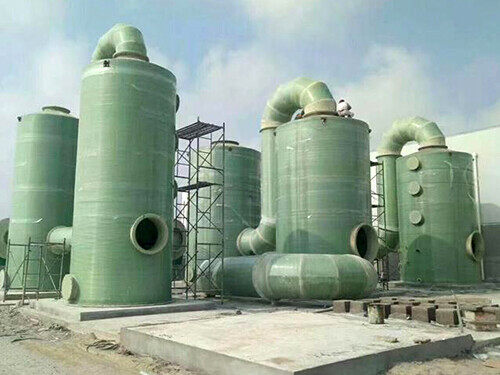
Flue gas desulfurization tower and denitrification reactor at an industrial plant

Wet, semi-dry and dry FGD compared with SCR and SNCR denitrification, including temperature window, reagent use, by-products and retrofit constraints.

What this article covers

  • Selection method for flue gas treatment equipment under real plant conditions
  • The parameters that decide sizing: gas volume, temperature, dust or pollutant load and the outlet limit
  • Material and media choices that affect service life and running cost
  • Installation, commissioning and maintenance points that are often missed in quotation stage

Get the full calculation for your site

Send air volume, dust or gas composition, temperature, required outlet value and available space. Our engineers return the sizing calculation, a configuration proposal and a budget quotation. Emission and energy results always depend on your actual operating condition and the local standard in force.

Request the calculation
Equipment in this article

Related products

Group of FRP wet desulfurization and washing towers with inlet ducts on site

Flue Gas Desulfurization & Denitrification

Wet Flue Gas Desulfurization System

GP-FGD Series

Limestone-gypsum and sodium alkali wet desulfurization towers for coal fired boilers, sintering machines and industrial kilns.

Flue gas volume
30,000 - 1,200,000 m³/h
Inlet SO₂
≤ 8,000 mg/Nm³
Desulfurization efficiency
90 - 98% (project dependent)
Absorbent
Limestone, lime, sodium alkali, ammonia
SCR denitrification reactor installed on a boiler flue gas duct

Flue Gas Desulfurization & Denitrification

SCR / SNCR Denitrification System

GP-SCR Series

Selective catalytic and non-catalytic reduction systems for NOx reduction in boilers, kilns and sintering flue gas.

Flue gas volume
20,000 - 900,000 m³/h
Inlet NOx
≤ 1,200 mg/Nm³
Denitrification efficiency
SCR 80 - 95%, SNCR 30 - 60%
Reaction temperature
SCR 280 - 420 °C, SNCR 850 - 1,100 °C
Integrated ultra low emission flue gas treatment system at an industrial plant

Flue Gas Desulfurization & Denitrification

Integrated Desulfurization & Denitrification System

GP-ULE Series

Combined dust removal, desulfurization, denitrification and wet electrostatic polishing for ultra-low emission retrofits.

Scope
Dedusting + FGD + DeNOx + wet ESP
Flue gas volume
50,000 - 1,000,000 m³/h
Outlet targets
Per local ultra-low emission limit
Control
Integrated DCS with CEMS interface
Wide spacing electrostatic precipitator at a power plant flue gas treatment system

Industrial Dust Collection

Wide-Spacing Electrostatic Precipitator

GP-CDPK / GP-WESP Series

Dry and wet electrostatic precipitators for fine dust, mist and aerosol where low resistance and stable outlet concentration matter.

Air volume
20,000 - 800,000 m³/h
Collecting area
50 - 9,000 m²
Outlet concentration
≤ 20 mg/Nm³ (dry), ≤ 10 mg/Nm³ (wet)
Resistance
200 - 400 Pa

Keep reading

More technical articles

Tell us your plant condition, we will size the system

Send air volume, dust or gas data, temperature and available space. Our engineers reply with a configuration proposal and a budget quotation within 1 working day.

نستخدم ملفات تعريف ارتباط أساسية فقط لتشغيل هذا الموقع وحفظ لغة اختيارك وقرار الموافقة. لا يتم تعيين ملفات تعريف ارتباط للإعلان أو التتبع عبر المواقع. اقرأ سياسة الخصوصية سياسة الخصوصية.